The path to creating Black Earth United was not straight or fast for founder Jocelyn Rice. Disillusioned by the homogeneity and ethics of the outdoor apparel industry, Jocelyn set out to create a brand in which thought, care, and intention were infused into every step of the creative process—from design and materials sourcing all the way through production and sales.
We met up with Jocelyn to learn more about her journey, her process, and her hopes for the Black Earth United brand.
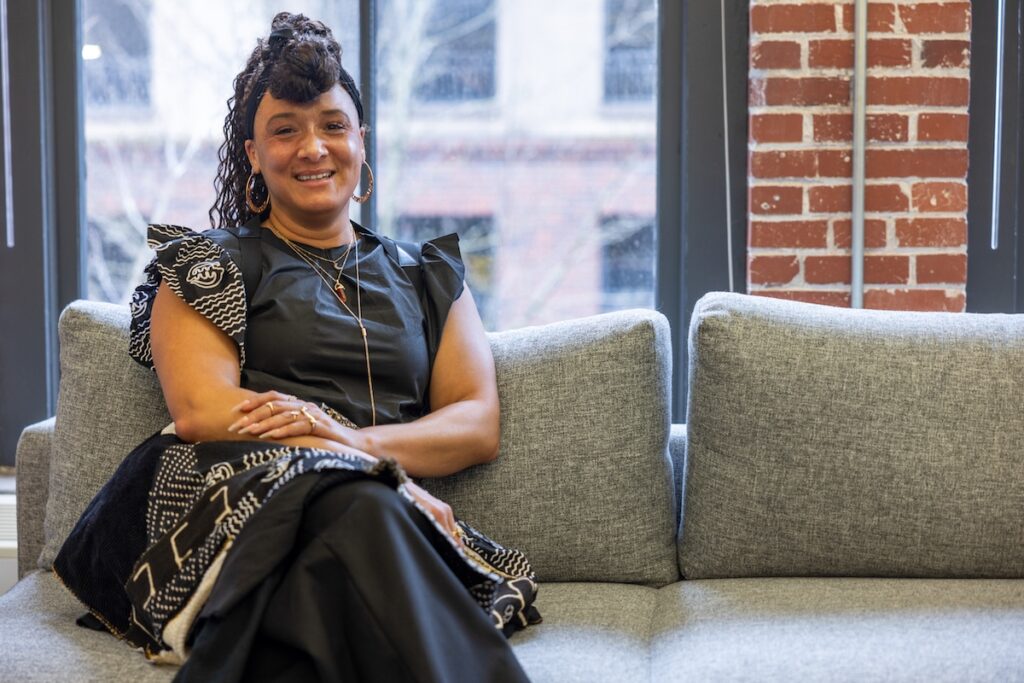
Q: Tell us about Black Earth United.
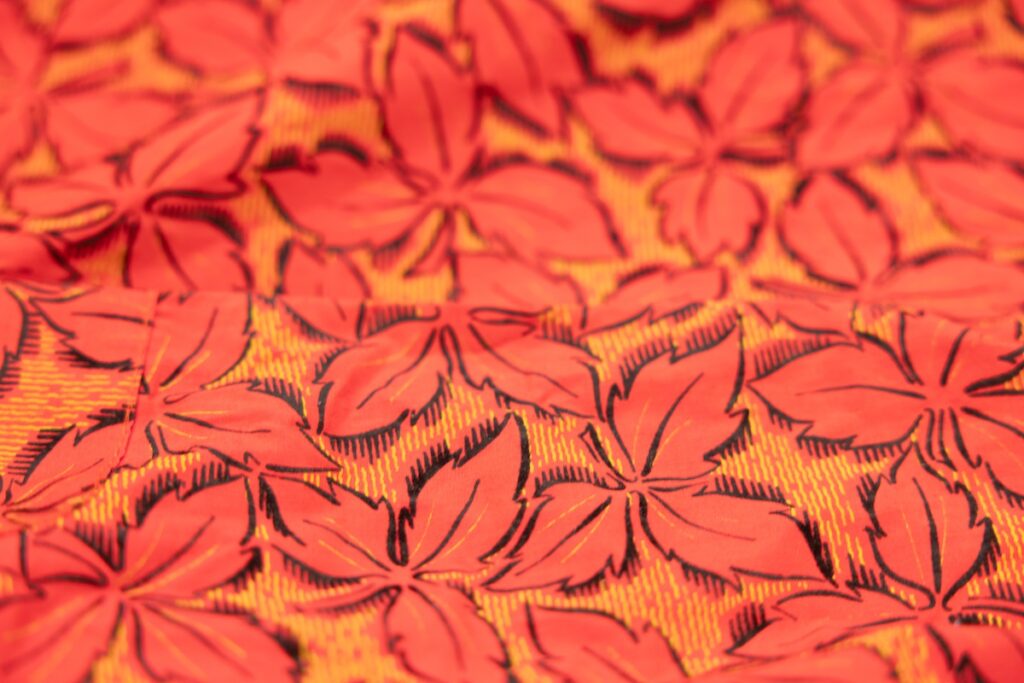
Jocelyn Rice: We make clothing for the outdoors. We want people to enjoy the outdoors while being able to be a little more bold and colorful. I feel like the outdoor industry has told us that the outdoors—what you wear when you’re outdoors—has to look a certain way. But I don’t believe the outdoors looks like that. The outdoors is colorful. It is bold, it is loud. But that’s not what’s out there. So I want to change that.
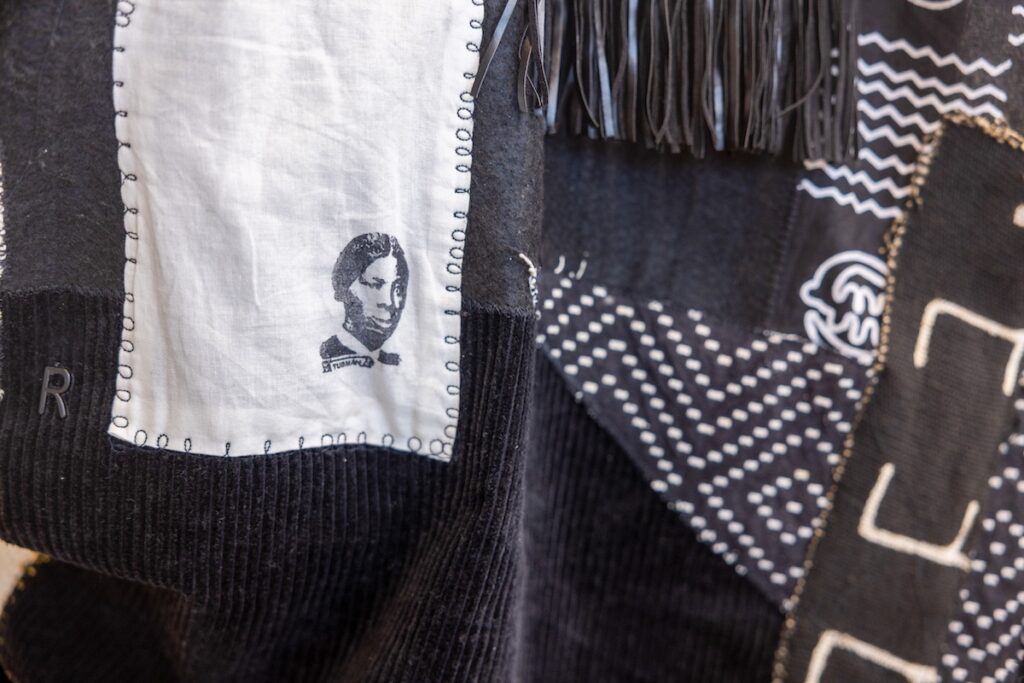
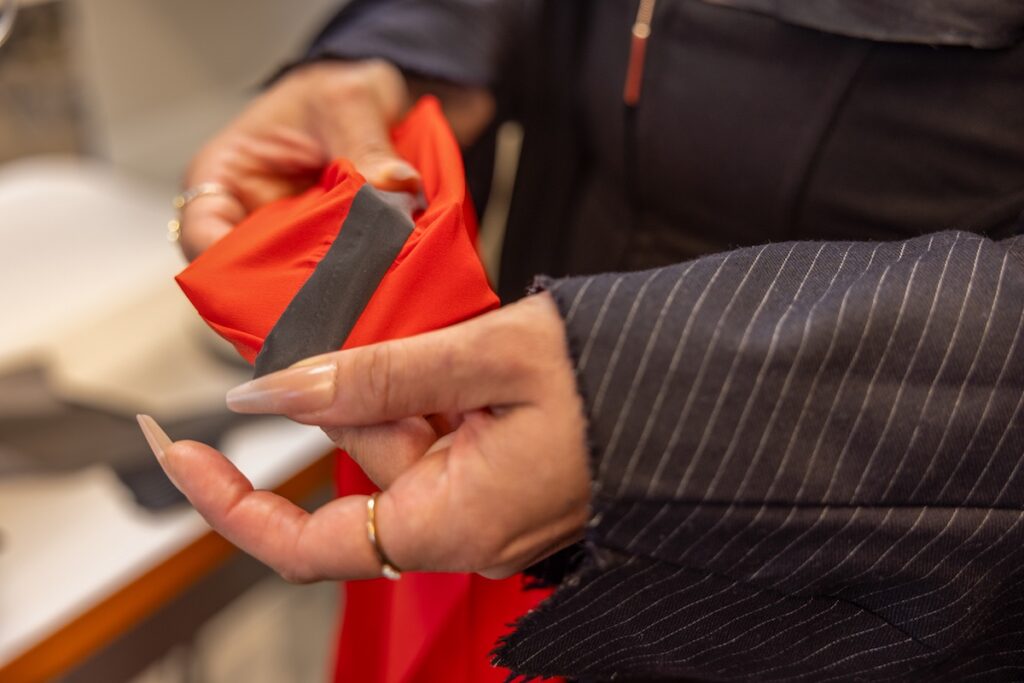
Our process is centered in regenerative practices, meaning we use deadstock materials [unused, surplus fabrics]. And we do cottage-industry sewing, meaning that our sewers can work from home and make a fair wage for their labor. We use ancestral practices in making the clothing; we pray or sing over the clothing and sew black-eyed peas into every piece for good luck. We want to infuse the garments with all the good energy that we can.
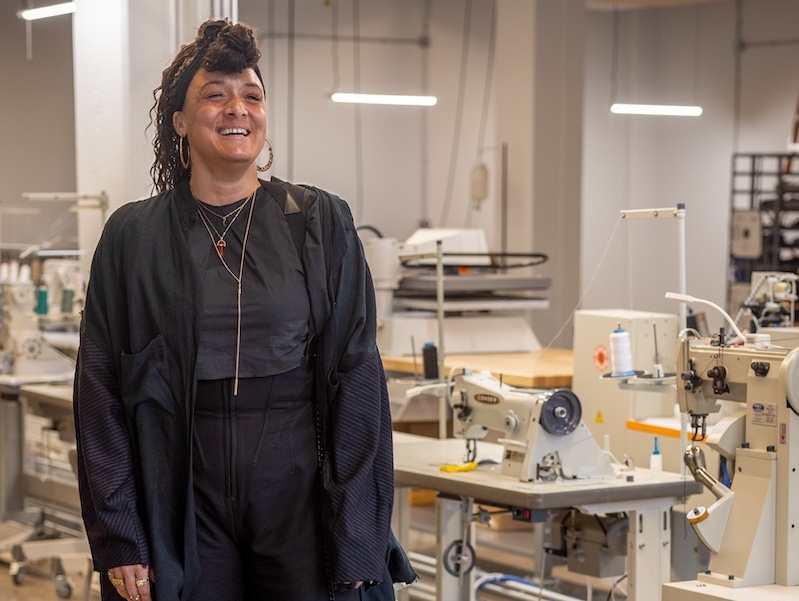
Q: What was the path that led you here? When did you first start working on this idea?
JR: Growing up with four siblings, I have all these memories of playing in the outdoors in Nebraska. We were always outside in the summers, camping, playing in the snow in winter. The outdoors were a big part of my life.
I went to school for apparel design here in Portland, and I ended up getting a job at Columbia. Working at Columbia brought back all those memories, and I fell in love with the outdoors again, but I didn’t see myself in their brand. And then I also started to realize that I didn’t see myself in the outdoor industry at all. So many of these brands say they love the outdoors, but their practices are so extractive. Working there, I started recognizing how much I was brushing up against my values and my belief systems.
During the COVID pandemic, I didn’t have to go in to work every day and I just started to see a different pathway. I thought that maybe I could try something else. I got my business license, but I couldn’t start an apparel brand because I was working for an apparel brand. So Black Earth United really started out as a series of conversations with Black and Indigenous people in the industry: conservationists and designers, campers—anyone who felt like their culture was left out of the outdoor industry. We asked: What do you want? What does belonging look like for you?
One thing we noticed in the rhetoric of a lot of outdoor companies is that it’s all about the summit. It’s all about conquering. But the outdoors can just be the hustle of you trying to get your kid to the bus on time in the pouring rain and then rushing off to your errands. That might be your outdoors. I wanted us to appreciate that and to hold space for the person who engages in it that way. Outdoor companies call someone like that an “urban consumer,” but why does it need to be labeled in that way? They’re wearing the same thing that somebody’s wearing to summit a mountain.
Eventually, I decided to leave Columbia, and then REI picked me up. I went through the accelerator program that they had and started the apparel side of things.
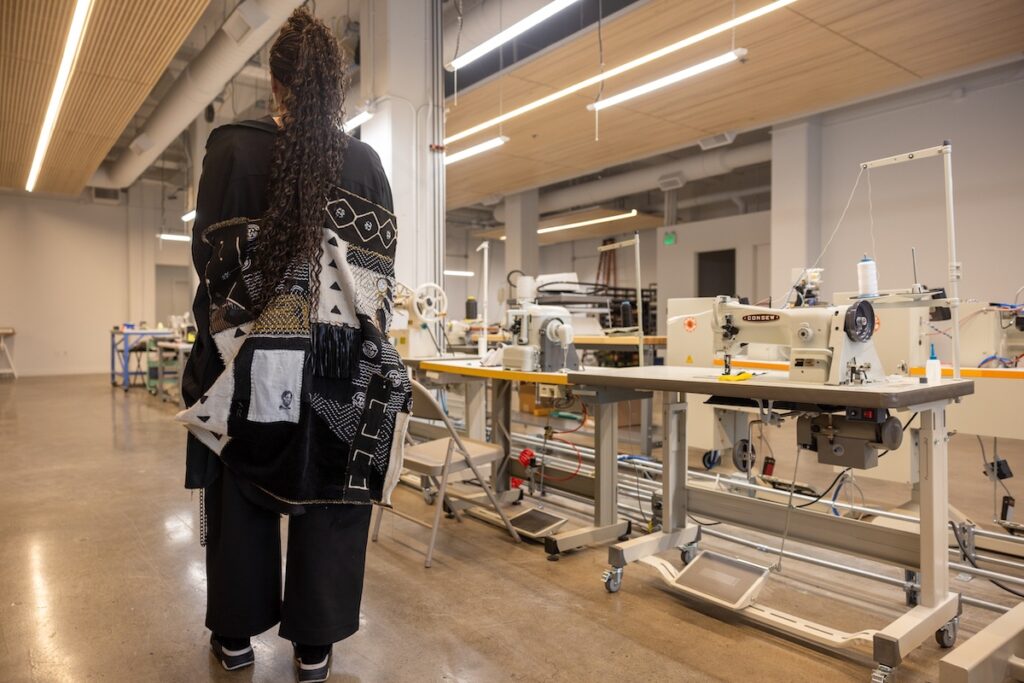
Q: Once you’d made that shift, how did you go about building Black Earth United into what it is today? What did that process look like?
JR: I moved really slowly because my values are leading how I want to move. I mean, it’s now 2026 and I’m only just getting the sewers. It’s been six years of development.
If money is not the driving force for the business, you’re going to be moving slower. My driving force is the community capital, it’s the people capital, it’s the relationship capital, it’s the environmental capital. All of those things come before the financial. I needed to make sure those things were in place before I worked on finding the money.
I’ve filled dozens of notebooks with my thoughts on what I want this business to be and how I’m going to do it. “If I do this, who does that affect? How does that work?” I acknowledge that it’s not going to be perfect. It can’t be perfect when you’re creating something that never goes away. But I’ve put a lot of thought into things like hiring the sewers who work on these garments. I think, “This could be a good job for somebody. How much would they need to make in order for a side job to pay off for them? They need to pay their rent. Okay, so can I provide their rent in Portland? How much is the average rent in Portland?” Those kinds of questions guide the shape the business has taken.
Q: How do you hope your ethos is translated for customers? What do you want people to think about when they purchase a garment?
JR: I want you as the owner of this garment to have some accountability. So often we lose accountability with our garments. Once we go pick them up at the store, we put all the accountability on the business, but where’s our accountability as a consumer? I want you to think about it. I want you to consider what you’re doing here. What are you paying $150 for and how long are you going to keep that? What does that mean to you?
Q: Are there any garments you’re currently working on that you’re excited about?
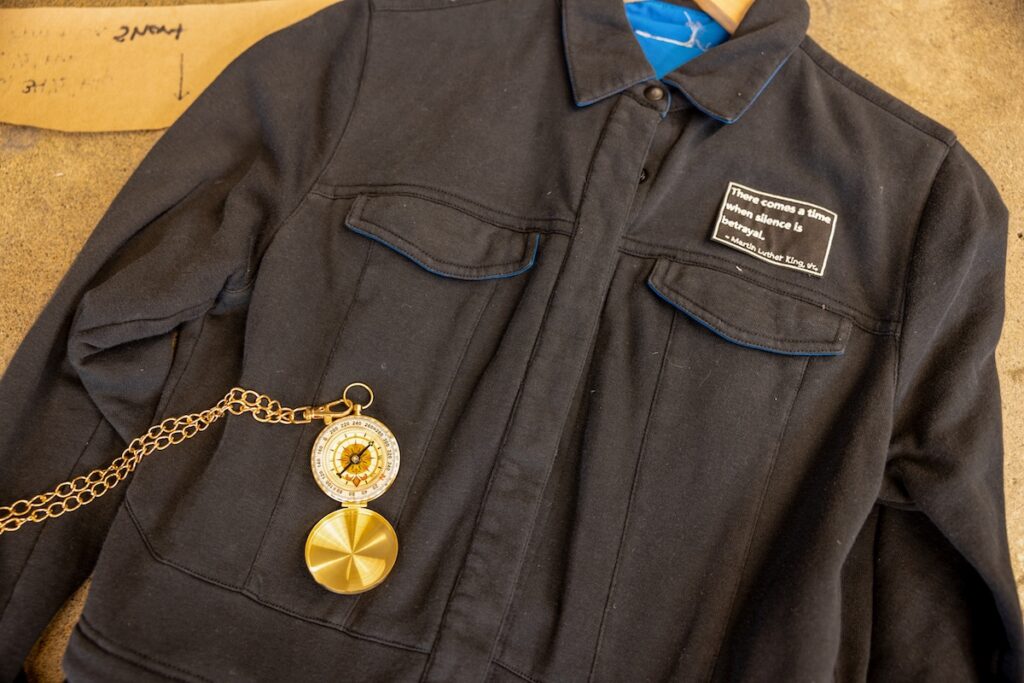
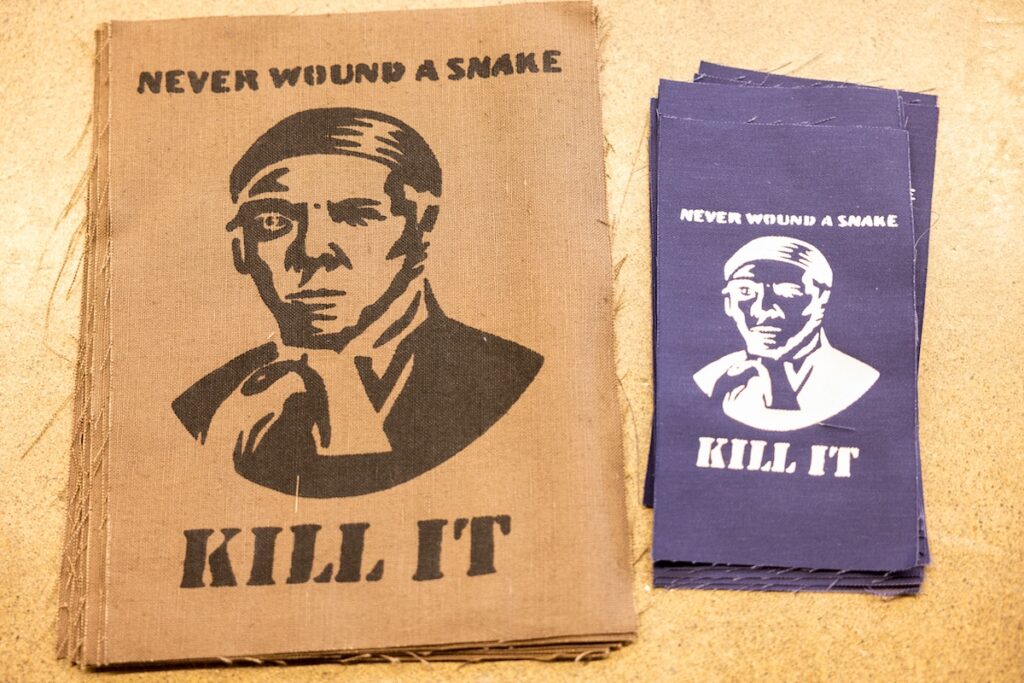
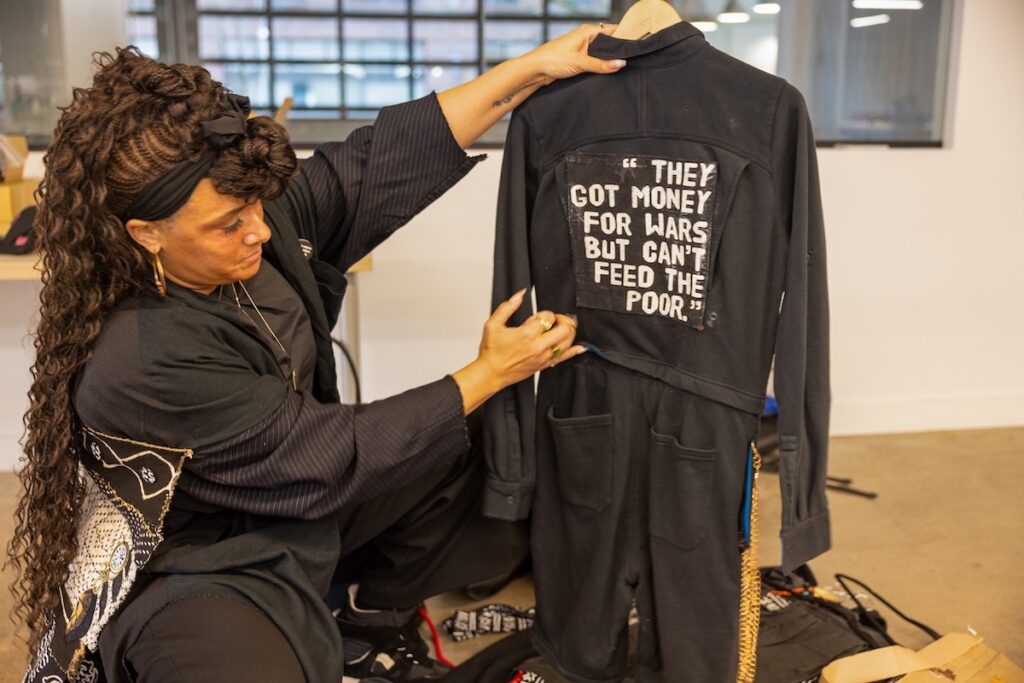
JR: I’m making these army-looking jackets with Harriet Tubman on them. Harriet Tubman is in everything I do, because she’s incredible. I always think, What would she want to wear? What would I want her to have? What stuff could she have used back then? Maybe she wouldn’t have worn a jacket with her own image, but then again she might have! So I’m making these army jackets that have cowrie shell buttons on them that I painted, and I commissioned a patch to go on the back with her face on it that says, “You never wound a snake, you kill it.”
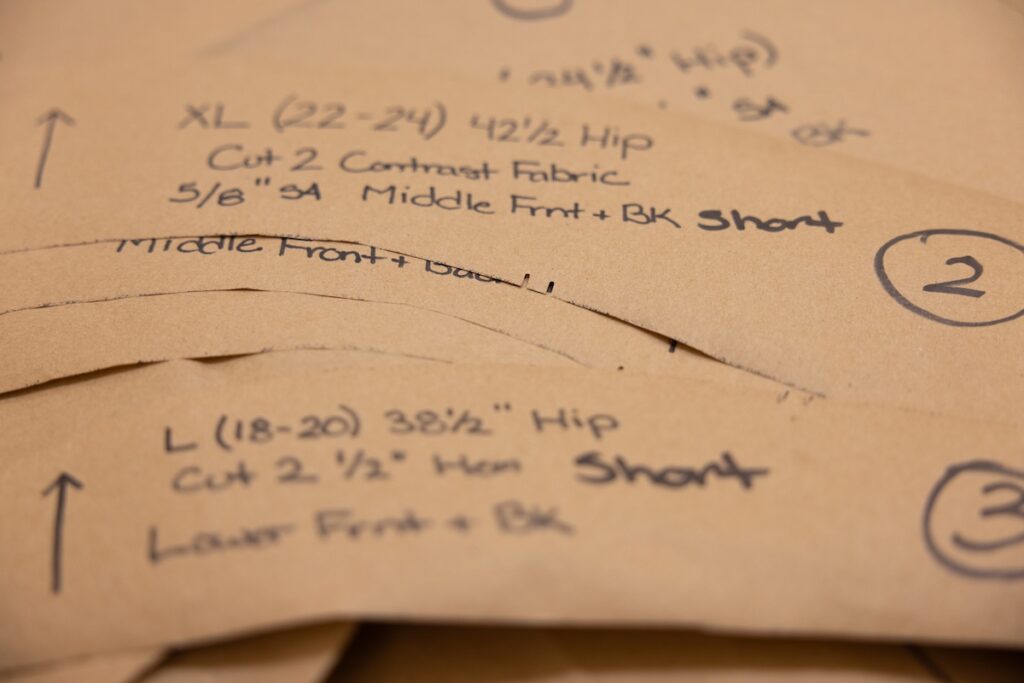
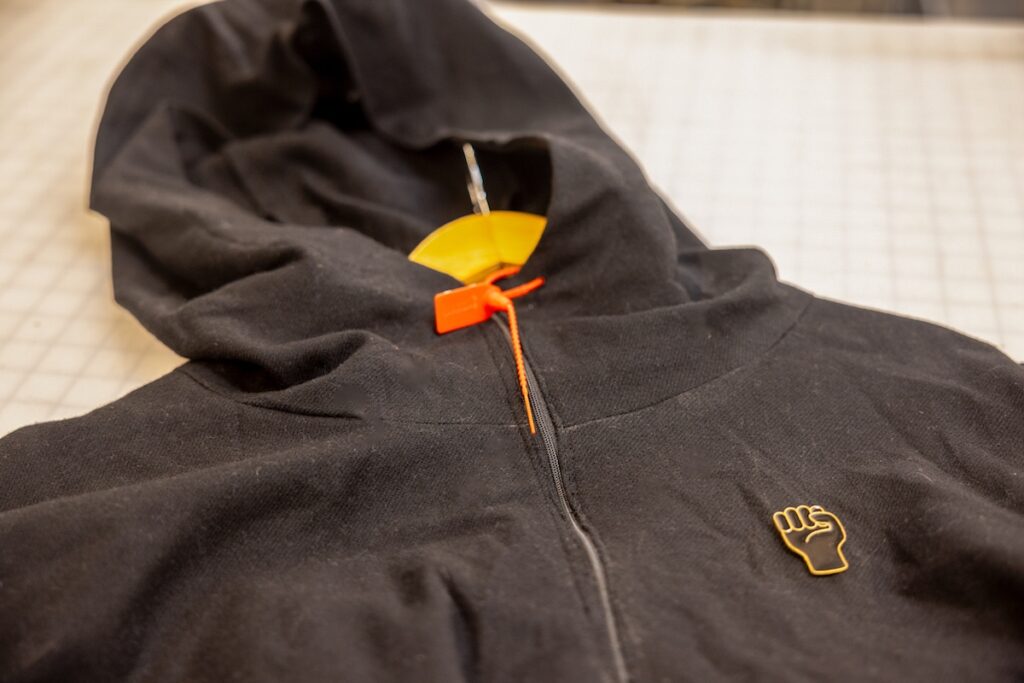
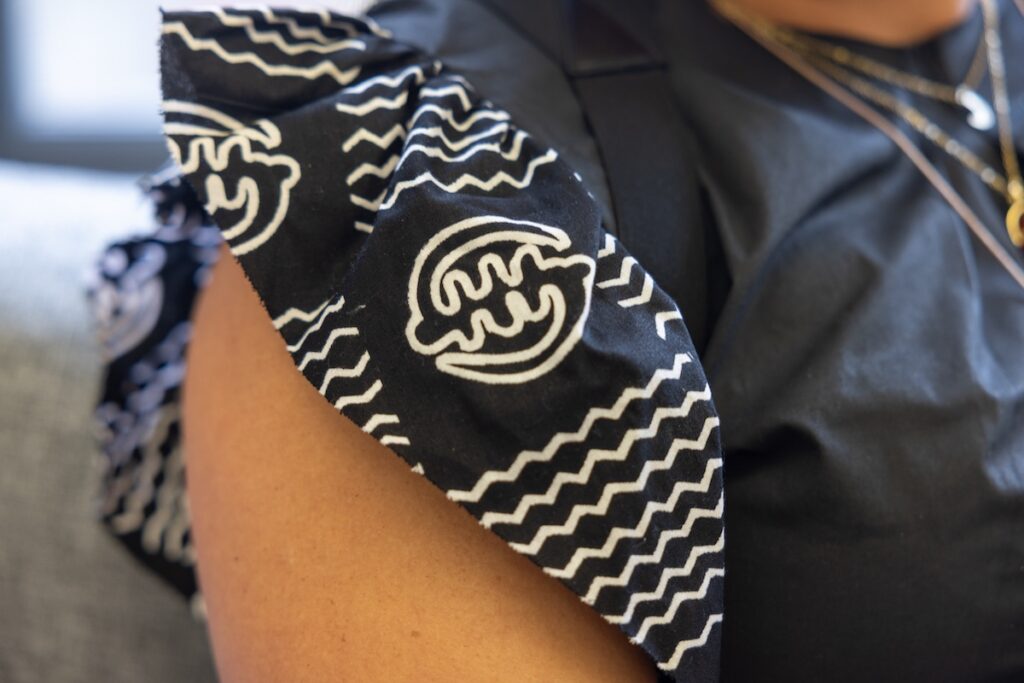
I’m also shifting from do-rags to bonnets, so I’m excited about those. I’m making some pullovers where the top part looks like a cardigan, but the bottom part looks like a hoodie. That kind of mashup I think is pretty dope. And the jackets and the pullovers are oversized, so it can fit multiple body types, which I really like. I want to do some leggings that are in an African fabric or in an African print.
Q: You mentioned some of the rituals that you perform over the clothes. Can you talk about that practice? Has that always been a part of your process?
JR: That’s always been a part of it. I’m a big ritual person. I believe that objects carry energy, and we try to infuse good energy in every garment. I want whoever is wearing the clothes to know that the person creating their garment was really happy doing it and they’re not being forced or exploited. The garments are made with love, and someone is excited for you to wear it.
Q: What role does Portland play in your business?
JR: Portland is such a great place to start a business. It’s so accepting of new ideas. It’s really supportive. It has such a great entrepreneurship network. There’s so many different places you can go to get support. And I think it’s just an inspirational place because it is so beautiful. The most incredible people I’ve ever met live here. I’ve never met more supportive people in my life. Portlanders are really, really dope.
I sell other places, but this is homebase. I can’t ever think of leaving. And I do think I owe it to this place to be here—as a Black woman, being here and rooting here is really important because not a lot of us stay. I want to see more Black people in the outdoor industry because I do think culturally we bring something different. If I stay, maybe that’ll inspire somebody else to do the same thing. The more of us here, the better.
Q: Other than your website, where can people find you out in the community and see your clothes in person?
JR: We’ll do a few popups this year. We’ll be selling more on Instagram and TikTok this year, too. There’ll be more marketing this year and a bigger push than I’ve done before. In the future, depending on how this goes, it’d be nice to get into some stores, but I’m not sure about that yet.
Q: Where do you source your fabrics?
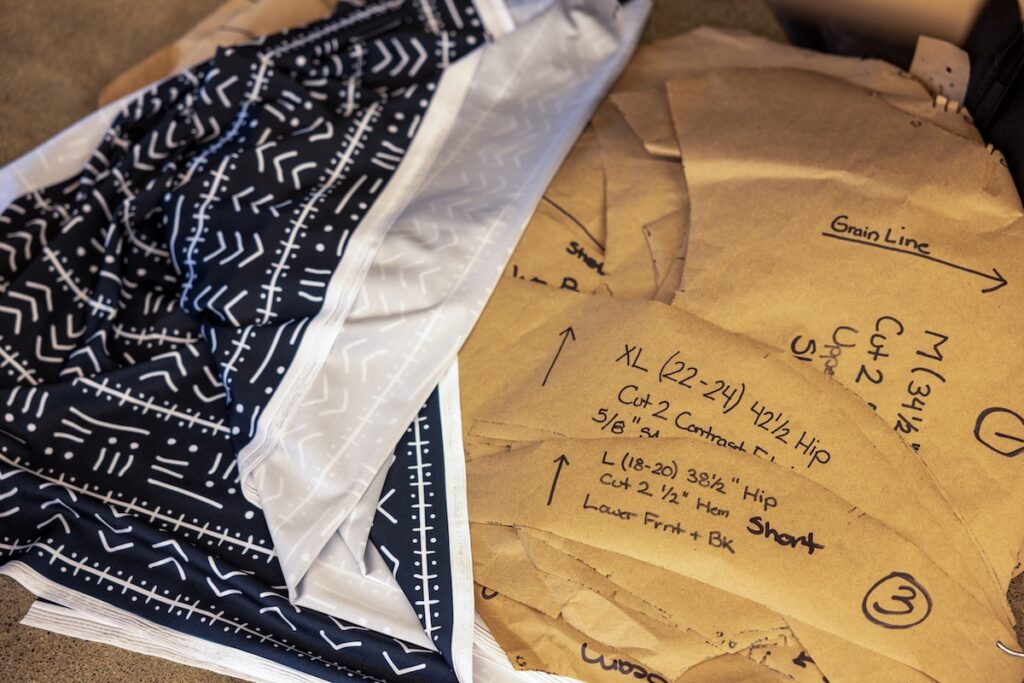
JR: I found a supplier in France that has these deadstock technical fabrics. But I’m in the early stages of connecting with a supplier in the U.S., which is really great because the tariffs are killing me.
Deadstock is hard. There are sacrifices you make that other designers don’t. You never get to choose what you design in a way, because the fabric chooses for you. You have to take advantage of whatever is out there. I don’t get to choose colors. I let whatever is out there lead the way.
But I do want to encourage other designers to use deadstock fabrics. Look, you’re always going to make some sort of sacrifice in the design process. It’s just what happens—whether you can’t do that dart or that pocket or can’t get those buttons or whatever. But there is so much fabric already out there. We actually never have to make fabric again as long as we live, that’s how much fabric there is. So why are we continually making more? The customer doesn’t know the difference. They don’t know if you were making something brand new or not.
The old way of production is not sustainable. It’s just not. And if you’re going to make something that lasts forever, you’ve really got to start making some sacrifices and really get creative.
Q: Obviously, community plays a huge role in what drives you and helps support you and your business. What does that community look and feel like to you?
JR: I’m surrounded by some of the most amazing women—and men—you’ve ever met. We talk about what we want for ourselves in the future, in our clothing, buildings, education, everything.
People I’ve known forever that used to model for me are now going to sew for me—people that I think are just incredible, who support the community in so many other ways, who have these skills, who are creative, and just want to be a part of something creative.
Somebody asked me, “Oh, what’s the dream?” And I was like, “This.” I get to work with my friends. I can pay my friends money to work with me and make cool stuff and do it as ethically as we possibly can and maybe work together to make it bigger. That’s pretty dope. That’s the dream.
Portland A&O powered by Prosper Portland supports the success of Oregon’s 800+ Athletic and Outdoor firms through community, peer-to-peer learning, events, and programming.
Portland A&O Community features are our way to highlight different jobs, roles, and programs impacting and supporting Oregon’s impressive A&O industry. By sharing stories, advice and experiences, we can continue to support the industry and the people who make it thrive.
If you have a product, company or personal story to be featured, share with us!
Prosper Portland creates economic growth and opportunity for Portland. Our vision is to make Portland one of the most globally competitive, healthy, and equitable cities in the world by investing in job creation, encouraging broad economic prosperity, and fostering great places throughout the city. We aspire to be a workplace of choice with passionate staff excelling in an open and empowering environment and sharing a commitment to our collective success.
Portland A&O powered by Prosper Portland aims to support the success of Oregon’s 800+ Athletic and Outdoor firms through community, peer-to-peer learning, events, and programming.
Prosper Portland/Portland A&O strives to support emerging A&O/Consumer Products brands by providing opportunities such as assistance with attending wholesale trade shows, education and peer support, and networking events.

